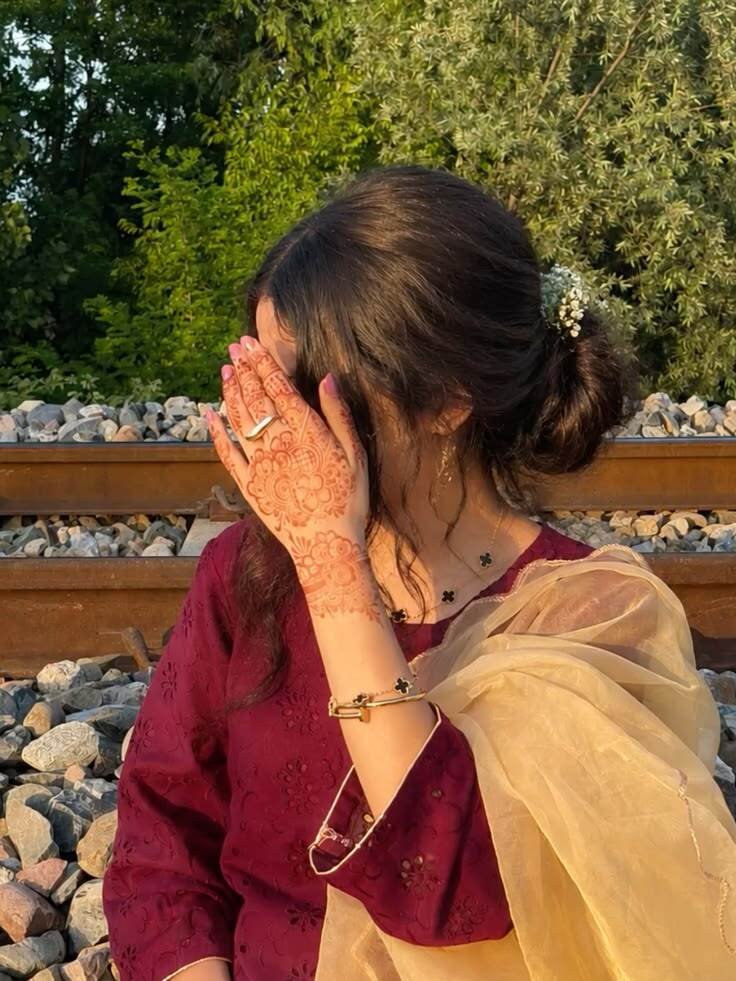
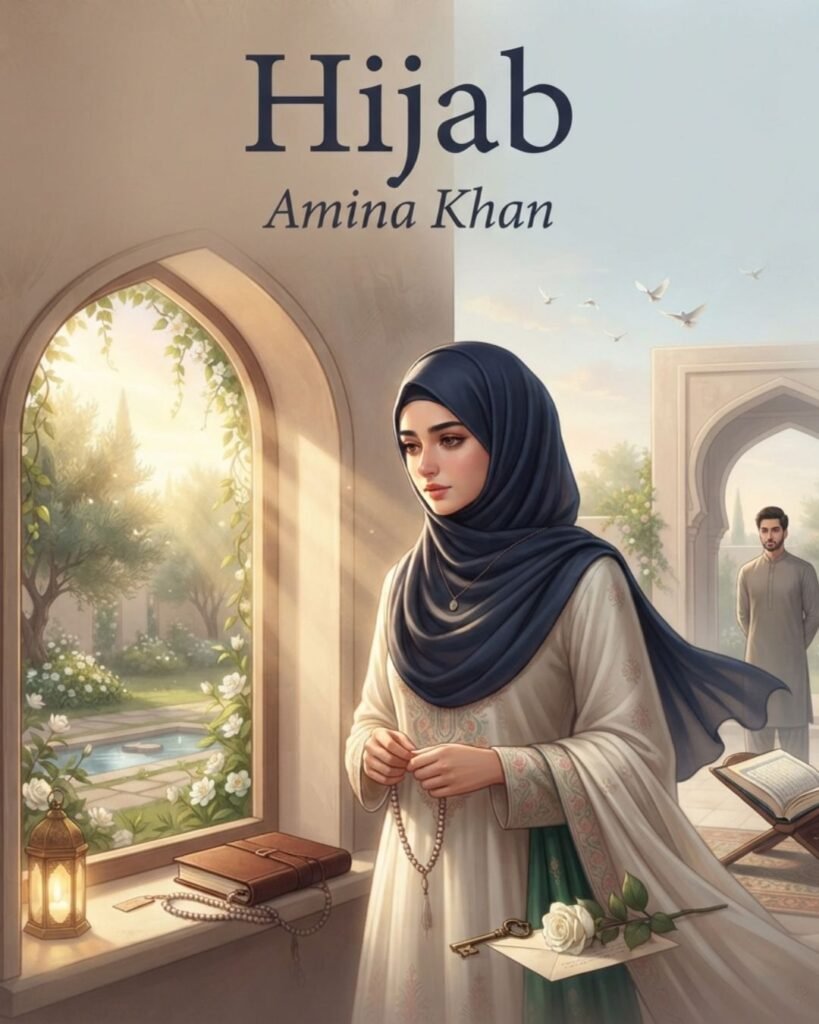
Hijab by Amina Khan follows Zarmina Ibrahim Khan’s fight to continue her education without compromising her faith, and the respectful bond that grows between her and professor Wajdan Hussain Shah. Read online or download the complete PDF.
Summary of Hijab:
Hijab is an emotional, social, romantic, and faith-based Urdu novel written by Amina Khan. The story revolves around Zarmina Ibrahim Khan, a young woman from a conservative Pashtun family who wants to continue her education while remaining committed to her faith, modesty, and family values. The novel explores the tension between traditional expectations and personal aspirations, while its romantic storyline develops around Wajdan Hussain Shah, a university professor. The title Hijab carries an important symbolic meaning throughout the story. For Zarmina, hijab is connected with faith, dignity, identity, and self-respect rather than simply being a piece of clothing. Her journey combines family conflict, education, emotional growth, and a restrained love story in which character and values become more important than physical appearance.
Characters:
- Male Lead – Wajdan Hussain Shah is the central male character of Hijab. He is described as a university professor associated with Wildlife Studies and belongs to a religious and traditional Syed/Shah family. His character is significant because his feelings for Zarmina develop primarily through observing her character, principles, intelligence, and modesty rather than her physical appearance.
- Female Lead – Zarmina Ibrahim Khan, also spelled Zarmeena in some online descriptions, is the heroine of the novel. She comes from a conservative Pashtun family and is portrayed as intelligent, principled, modest, and determined. Her strongest personal desire is to continue her education, even though her family initially expects her to prioritize marriage.
Supporting Characters:
- Ibrahim Khan – Ibrahim Khan is Zarmina’s father and an important authority figure in her family. Initially, he follows the traditional expectations surrounding his daughter’s future and considers marriage an important priority. His attitude changes when he recognizes how deeply Zarmina wants to pursue education. Eventually, he allows her to attend university, creating a major turning point in her life.
- Feroz Khan – Feroz Khan is a significant family figure connected to Zarmina’s proposed marriage arrangement. The available novel text identifies him in the early family scenes and connects him with the discussions surrounding Zarmina and Rajab’s proposed marriage.
- Rajab Khan – Rajab Khan is Zarmina’s cousin and the man initially considered for her marriage. He is described as a suitable match according to the family’s traditional expectations. However, when he learns that Zarmina wants to attend university, he refuses the marriage, which unexpectedly contributes to Ibrahim Khan reconsidering his daughter’s educational future.
- Fiza – Fiza is described as Zarmina’s best friend and a source of support during her difficulties. Her role provides Zarmina with companionship outside the immediate pressures of her family and helps highlight the importance of friendship during emotionally challenging circumstances.
- Wajdan’s Family – Wajdan’s family represents another important social obstacle. His family follows traditional expectations concerning marriage within their lineage. Their views create an additional barrier to the relationship between Wajdan and Zarmina and strengthen the novel’s exploration of family customs and social expectations.
Plot Overview:
The story begins in Zarmina Ibrahim Khan’s traditional household, where family honor, religion, modesty, and established customs strongly influence the lives of its members. Zarmina respects her family and its values, but she also has a personal ambition that she cannot easily abandon: she wants to continue her education at university. Her desire creates an internal and external conflict because the people around her consider marriage a more appropriate path for a young woman from their family.
The conflict becomes more serious when Zarmina’s family considers her marriage to her cousin Rajab Khan. From the family’s perspective, the proposed marriage fits their traditional expectations, but Zarmina does not want to give up her educational ambitions. Rajab eventually learns that she wants to attend university and refuses to proceed with the marriage. This rejection becomes an unexpected turning point because Zarmina’s father begins to understand that forcing her into a life she does not want could destroy her hopes and happiness.
After Ibrahim Khan allows her to continue her studies, Zarmina enters university and experiences a new stage of life. Although she is surrounded by a modern educational environment, she continues to observe her hijab and remains committed to the principles with which she was raised. Her presence challenges the assumption that education and modern opportunities require a woman to abandon her religious identity. Instead, Zarmina tries to prove that academic ambition and faith can exist together.
At university, Zarmina meets Wajdan Hussain Shah, a professor from a religious and traditional family. Wajdan gradually becomes attracted to her character and the qualities he observes in her. His feelings are unusual because Zarmina’s hijab means that he does not develop his interest through conventional physical attraction. The story instead emphasizes the emotional and intellectual connection developing between two people who are learning to understand one another through words, behavior, principles, and respect.
As their relationship develops, family traditions become a major obstacle. Wajdan’s family has strict expectations about marriage within its own lineage, while Zarmina’s family is equally protective of its customs and honor. Their growing emotional connection therefore cannot be separated from the social environment around them. The novel uses these difficulties to explore whether two people can maintain their faith, respect their families, and still make meaningful choices about their own future.
The later journey of Hijab brings together the novel’s central ideas of faith, education, love, modesty, and personal courage. Zarmina’s journey is not simply a romantic journey; it is also a story of finding the confidence to pursue education without abandoning her principles. Wajdan’s relationship with her develops through respect and emotional understanding, while the surrounding family pressures test the strength and sincerity of their feelings. The novel ultimately presents hijab as an important part of Zarmina’s identity and uses her experiences to explore how faith and personal ambition can coexist.
Themes
- Faith and Spiritual Identity
- Hijab and Modesty
- Education for Women
- Tradition vs. Personal Ambition
- Family Honor
- Respectful Love
- Social Expectations
- Self-Respect
- Personal Transformation
- Courage and Determination
Conclusion:
Hijab by Amina Khan is a social-romantic Urdu novel that combines an emotional love story with themes of faith, education, modesty, family expectations, and self-respect. The story of Zarmina Ibrahim Khan is particularly centered on her struggle to continue her education while remaining true to the values that define her identity. Her relationship with Wajdan Hussain Shah adds a romantic dimension based on respect, patience, and emotional connection. The novel’s central message is closely connected with the symbolic importance of hijab. For Zarmina, it is not merely clothing but an expression of faith, dignity, and identity. Through her educational ambitions and emotional struggles, the story presents a young woman trying to balance family traditions with her desire to build her own future.
Ishq e Yaram Urdu Novel by Areej Shah